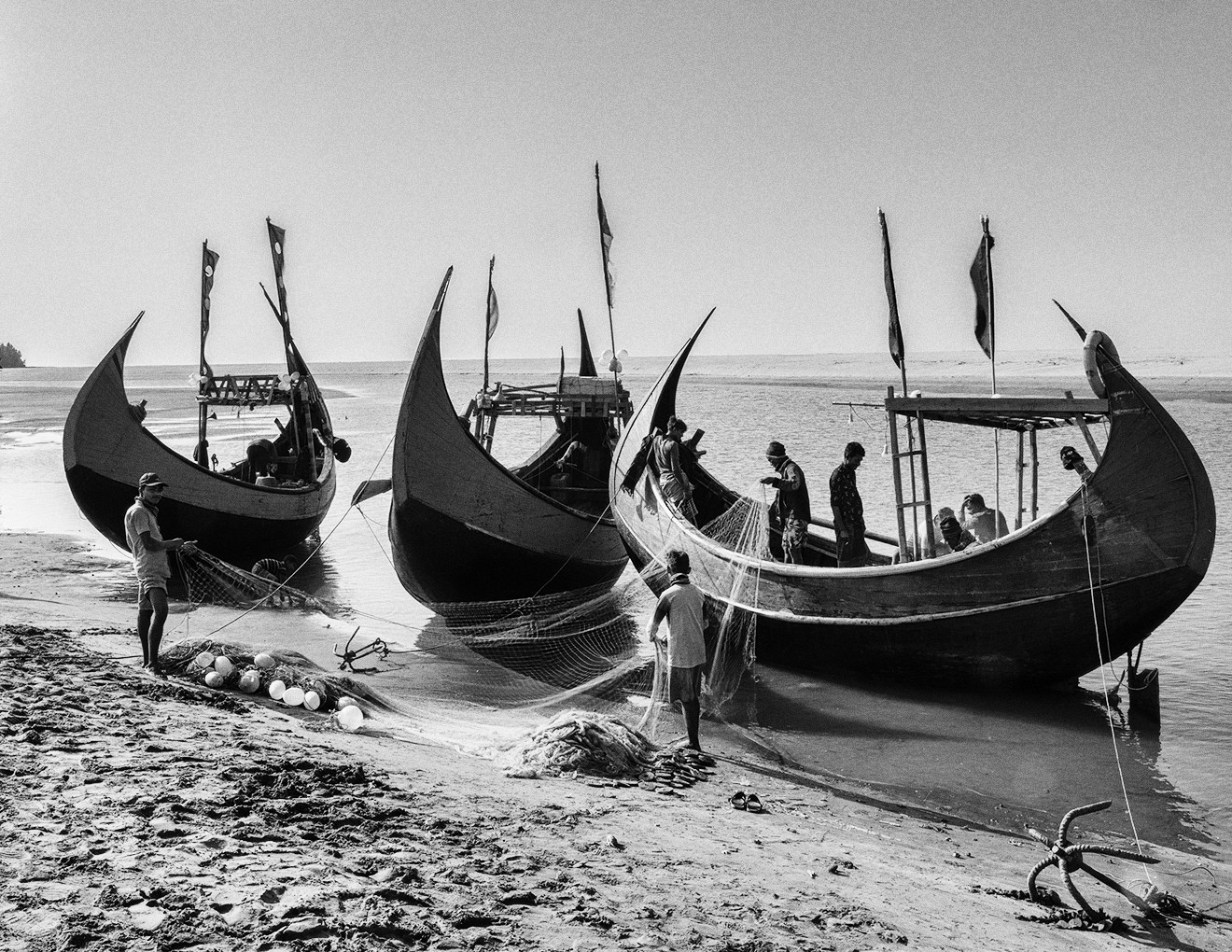
The Mighty Brahmaputra

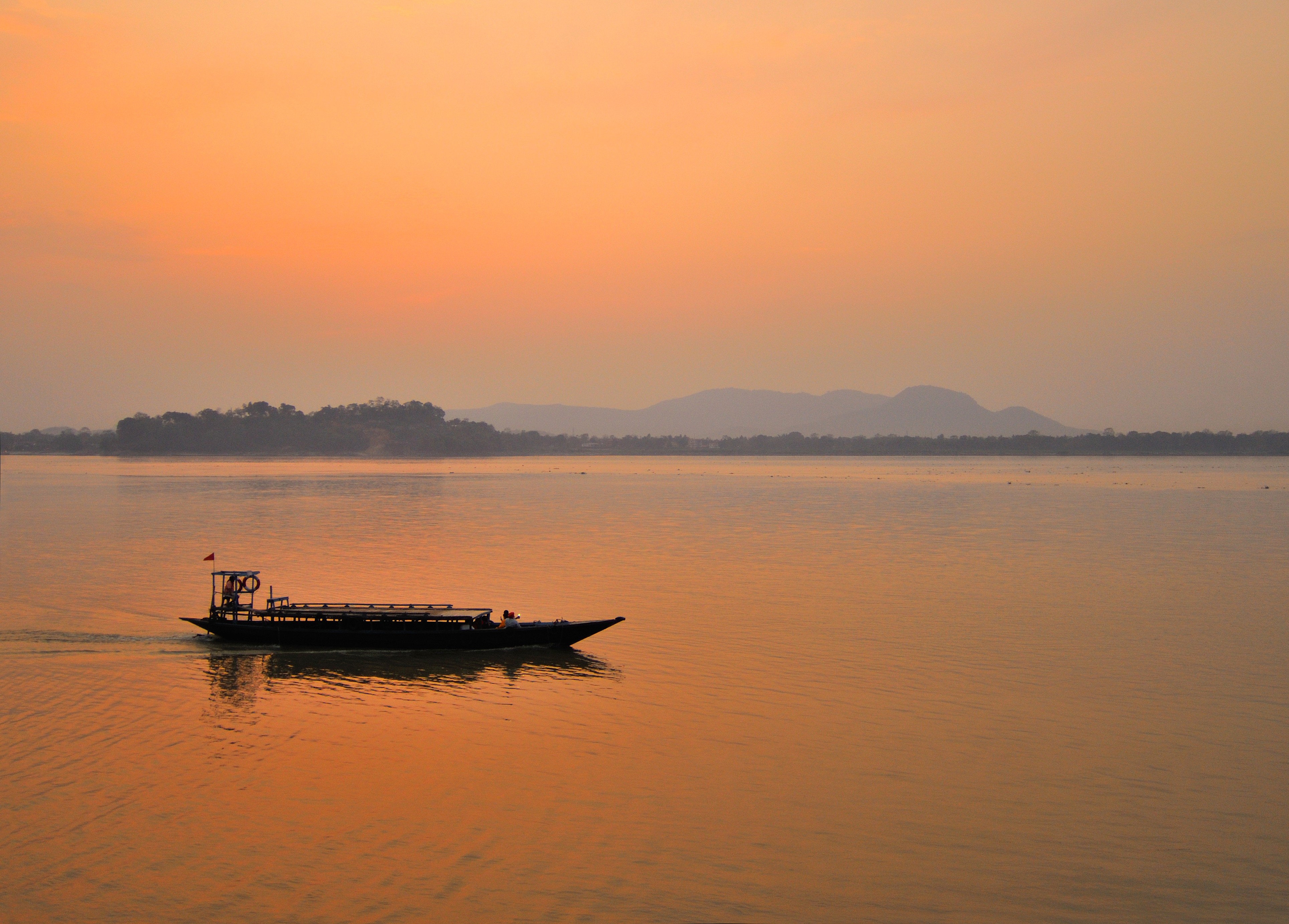
Soothing the Soul on One of India's Most Sacred Rivers
I am on a boat on the Brahmaputra River in India’s “city of temples”, Guwahati. Its colour mirrors the grey sky as the sun burns off the early morning mist. I am here exploring the heart of northeast India. The mighty Brahmaputra, one of the largest rivers in the world, is its vital artery.
Surprisingly, I am somewhat of a novelty in this place renowned for its many ancient Hindu temples, as locals ask to have their photo taken with me everywhere I go.
Guwahati, the largest city in India’s northeastern state of Assam, is situated on the Brahmaputra’s south bank. Guwahati is an ancient port city of mythological, spiritual, economic and strategic importance. It is a trade centre for tea, the most popular beverage in the world. The state is also a major producer of oil and silk.
Surrounded by hills, Guwahati means “the rows of areca nut trees”. To attract tourists, the city is undergoing transformation due to the massive development of a riverfront beautification infrastructure project that showcases the Brahmaputra in all its glory.
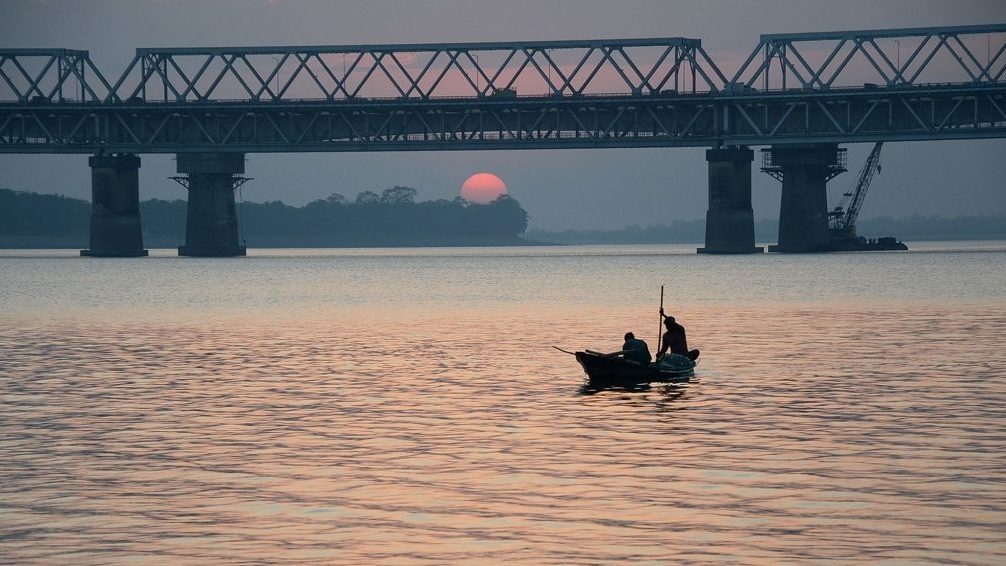
The Brahmaputra is one of India’s sacred rivers (the holiest is the Ganges). Though Indians refer to their rivers as female, taking on goddess names personified in the form of a river, the Brahmaputra is considered the only male river in India due to its powerful currents. Although the local Assamese are predominantly Hindu, they generally do not worship idols, but they do revere the mighty Brahmaputra.
According to Hindu mythology, Brahmaputra was the son of Brahma, a Hindu god, and Amogha, the wife of a sage. Brahma was enchanted by Amogha’s beauty and romanced her, leading to the birth of a boy – and the boy flowed down as the river.
Like a lot of mythology, there is a kernel of truth to the story. Geologically, the Brahmaputra originates, not in the womb of a deity, but rather in a glacier in the Tibetan Himalayas. It flows through Tibet, northeast India and Bangladesh, and empties into the Bay of Bengal.
Our boat navigates its way to Brahmaputra’s smallest river island, Peacock Island, where one of Guwahati’s most important temples, Umananda, is located. The temple, built in the 17th century, is dedicated to Lord Shiva, a Hindu god, and attracts many visitors. After a short tour, we walk down the steps to the burbling river below and soak in the view.
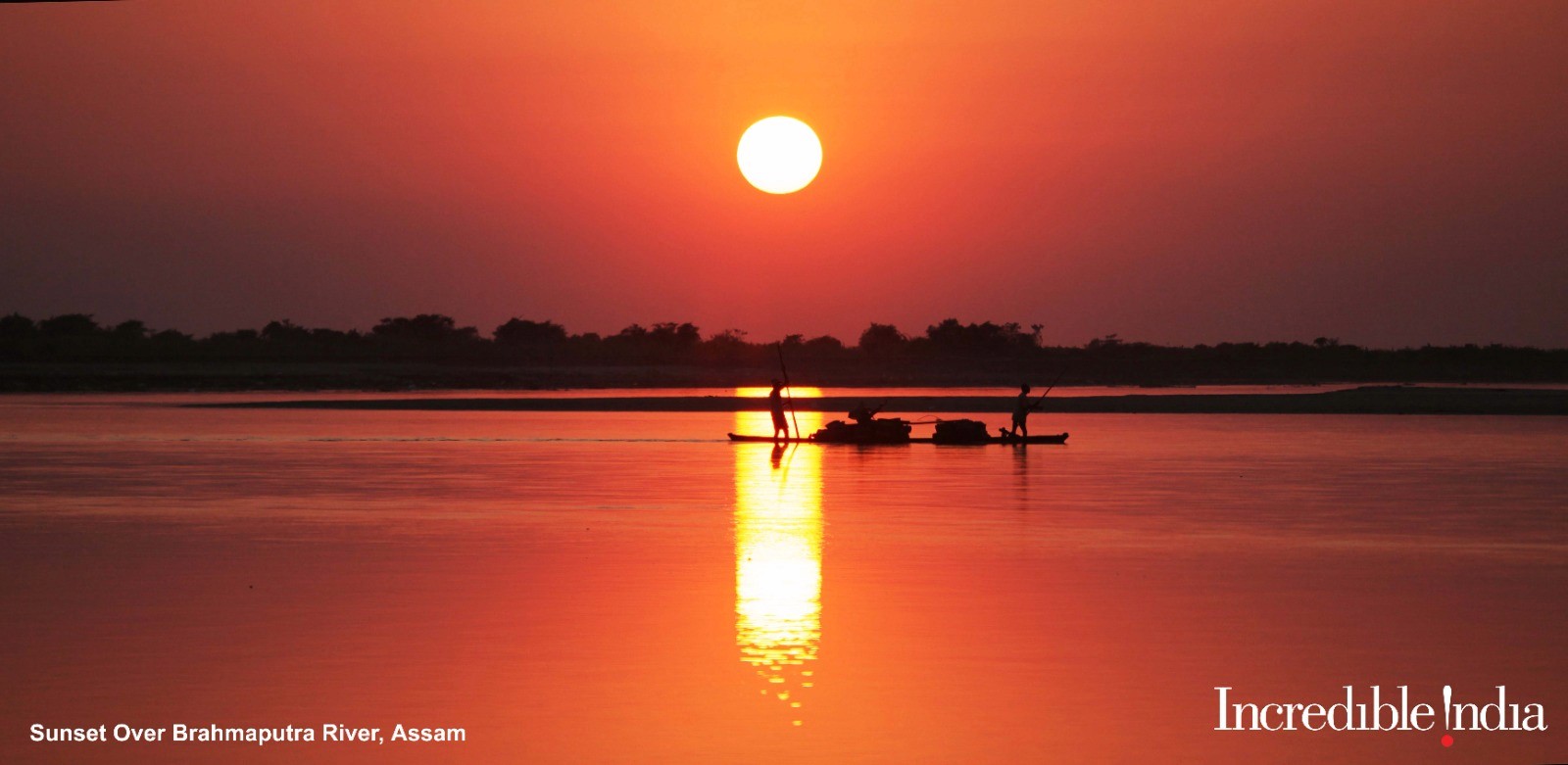
The Brahmaputra is a lifeline, providing drinking water and irrigation for farming as it flows through the state of Assam. Like many other major rivers in the world, it is essential for transporting goods and cargo, as well as passenger boats and tourist vessels. It is known to turn blood-red at times due to iron in the soil, giving it the nickname “red river”.
Now by car, my guide and I drive across the Assam Valley, where the Brahmaputra River runs through the heart of tea country with its many plantations. Assam is the largest tea-growing region in the world, with approximately 800 tea estates. Workers are out in the gardens with their baskets, under the blazing sun, harvesting leaves. The gardens are closed to visitors for the season, so we are only able to take photos from a distance.
The Brahmaputra dominates the Assam Valley, which has a rainforest-like climate, and its impact on the region comes into focus on our journey. Along its riverbanks are villages, temples, national parks and wildlife sanctuaries. The river is known at times to flood, destroying homes and other buildings in its path, constantly changing the landscape.
The Brahmaputra is one of India’s sacred rivers…
Finally, after roughly a four-hour, white-knuckle drive, we reach our last destination: Kaziranga National Park wildlife reserve (UNESCO), a floodplain formed by the Brahmaputra. We take a jeep tiger safari amidst the tall grass, marshland and forests. The park is home to Bengal tigers, one-horned rhinos, elephants, barking deer, pelicans and other birds, and more – and they all come to drink at the water’s edge. It is the only place in India where there are dolphins. We see many animals living in harmony, at least for the moment, as the Brahmaputra feeds the wildlife and vegetation. Unfortunately, the area is vulnerable to floods that kill many animals.
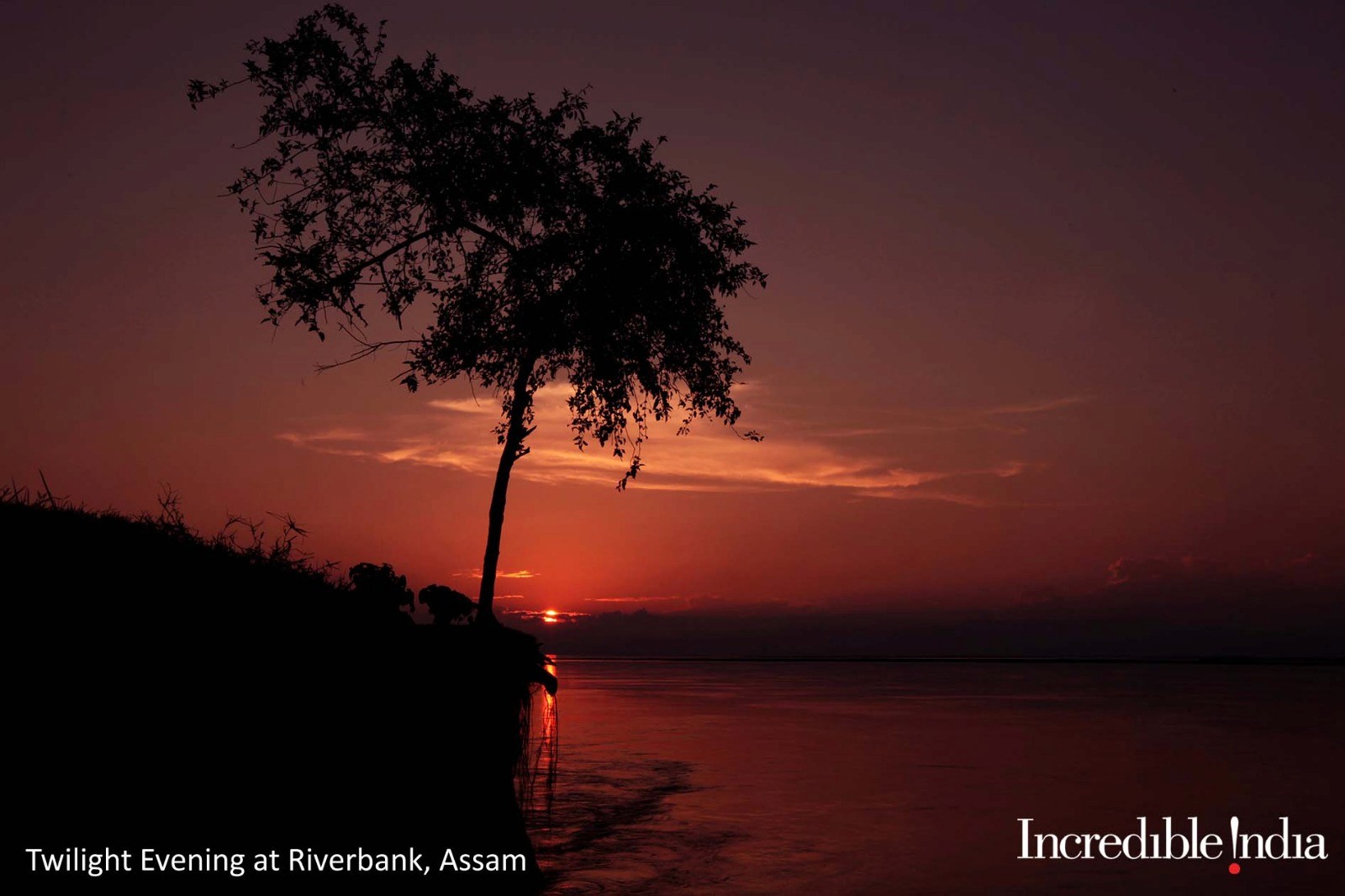
After 90 minutes at the park, without seeing a tiger, we end the day with a magnificent sunset washing the land and water Bengal tiger orange.
From providing sustenance and transportation for urban areas, to water for tea plantations and farming, and finally, a water source for wildlife and nature, the Brahmaputra proves it is, indeed, mighty.
I was a guest of Incredible India. Accommodations, ground transportation and guide provided by Delhi-based Vasco Travel. Shannon Skinner is an award-winning TV host and producer, author, speaker and travel writer based in Toronto. She also hosts trips to India for women. For more information: ShannonSkinner.com.